See how one homeowner used an Equity Sharing Agreement to pay off $45,000 in credit card debt without adding new monthly interest or payments.
Understanding liens as a standard part of home financing can help you approach the situation with confidence rather than worry.
If you own a home, chances are you’ve been building equity for years. Possibly without even thinking about it! Each mortgage payment and uptick in property value quietly adds to your net worth.
A personal loan lets you borrow money from a bank or lender and pay it back over time, with added interest. Unlike loans for specific things like houses or cars, personal loans can be used for many purposes.
Not every home improvement project requires a contractor or a hefty budget. There are plenty of projects you can tackle yourself. All you need is a little time, effort, and a trip to your local hardware store.
A low debt-to-income ratio doesn’t always mean a high credit score. Learn why that happens, how it affects loans, and what you can do to improve your financial profile.
LTV, or Loan-to-Value ratio, is a key metric used by lenders when assessing the risk of a loan, particularly mortgages. It essentially compares the amount of the loan to the appraised value of the property being financed.
Short answer? Yes! A HELOC is not necessarily a bad thing, and can be right for people in a certain situation. But it's important to know that there are alternatives out there.
Housing is a huge market, but it's difficult for investors to put their money in homes without owning them outright. Learn more about how co-investments help bridge the gap.
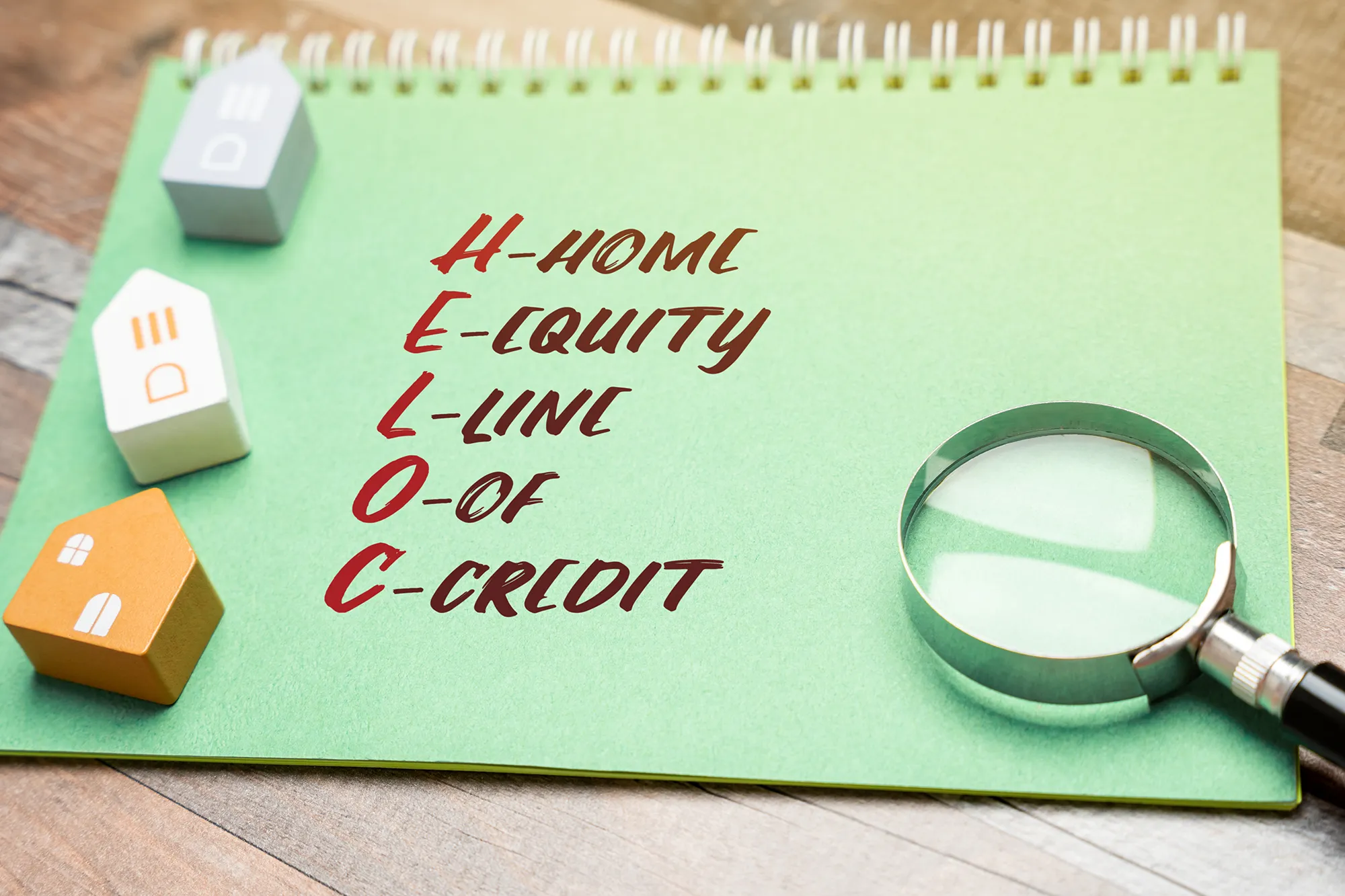
A HELOC may be an affordable and convenient way to access a line of credit. But it’s not the right solution for everyone. We'll explain how a HELOC works and how to know if it’s right for you.
The "Zestimate" is a bit of a secret sauce, which Zillow will admit is not always perfect. But it's a valuable tool nonetheless – here's what we know about the calculation process.
If you're planning on putting less than 20% down, you'll likely need to anticipate paying for PMI. But how much of a burden is it? Read this article for some of the common amounts to expect.
Leslie and John weren't sure about their next move – between debt, renovations, and bills. With a home equity sharing agreement from Unison, they didn't have to choose.
.jpg)










.png)