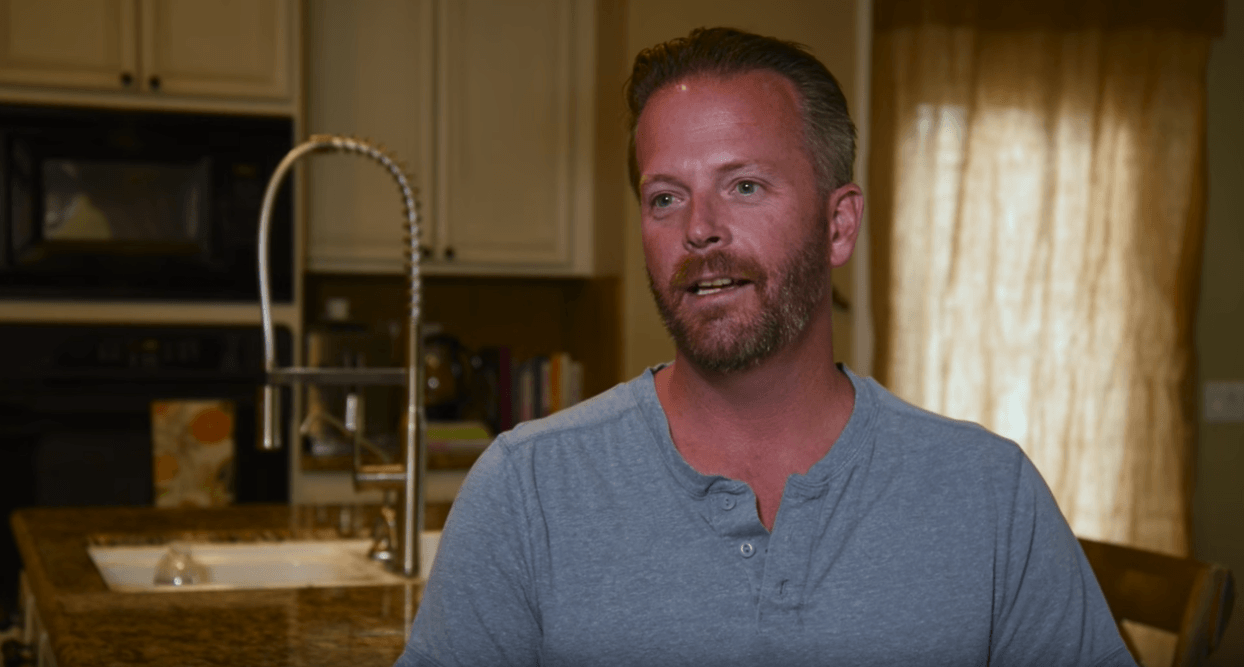
See how one homeowner used an Equity Sharing Agreement to pay off $45,000 in credit card debt without adding new monthly interest or payments.
Housing is a huge market, but it's difficult for investors to put their money in homes without owning them outright. Learn more about how co-investments help bridge the gap.
A HELOC may be an affordable and convenient way to access a line of credit. But it’s not the right solution for everyone. We'll explain how a HELOC works and how to know if it’s right for you.
The "Zestimate" is a bit of a secret sauce, which Zillow will admit is not always perfect. But it's a valuable tool nonetheless – here's what we know about the calculation process.
If you're planning on putting less than 20% down, you'll likely need to anticipate paying for PMI. But how much of a burden is it? Read this article for some of the common amounts to expect.
Leslie and John weren't sure about their next move – between debt, renovations, and bills. With a home equity sharing agreement from Unison, they didn't have to choose.
Unison helped this homeowner pay off debt and remodel their home with home equity funds.
Are you looking to boost your credit score? It might be easier and more straightforward than you think! In this post, we’ll lay out some steps you can take to achieve your goal.
Understanding your home equity percentage empowers you to make informed financial decisions, manage debt effectively, and build wealth over time. This information is integral to assessing your overall financial position and net worth.
The 2024 housing market has demonstrated significant growth and resilience, overcoming headwinds from high interest rates to achieve a remarkable surge in home equity.
Our Chief Investment Officer, Matt O’Hara, recently published an article as a member of Forbes Finance Council. Read "7 Ways to Tap Into Your Home's Equity" today.
A reverse mortgage is a convenient way to use your home equity as a cash source during retirement, but there are some downsides to a reverse mortgage.
Renovations surged during the peak of COVID, when we were all stuck at home. Then high rates introduced a bit of a slump. Now? They're on the rise again.
.jpg)




.png)